Case studies
Network consulting
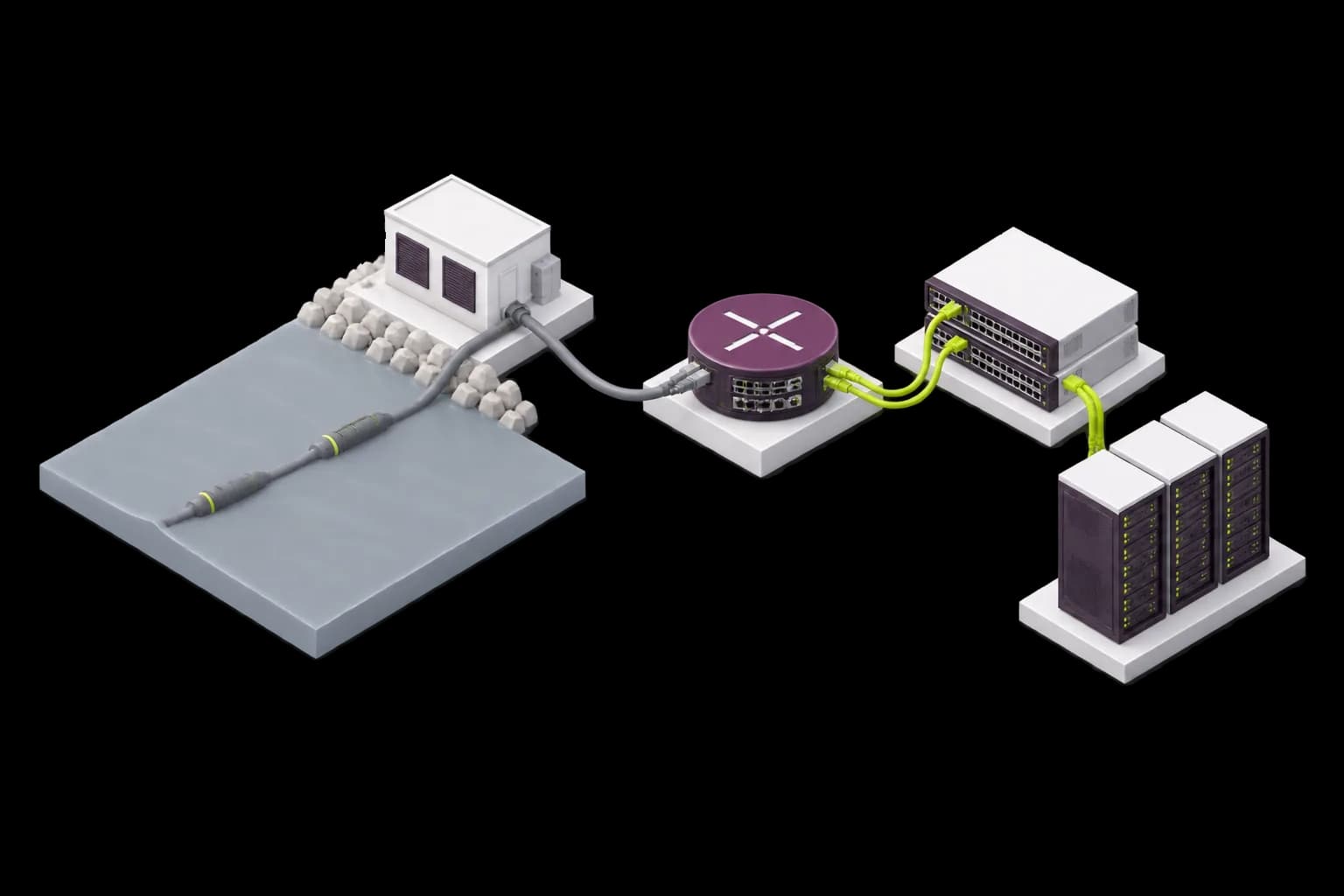
Peering that moved content traffic off a submarine link
Client: Transit carrier
A transit carrier was paying for long-haul submarine capacity to carry content traffic that could be exchanged much closer to its customers.
Outcome: Roughly 60% off the total submarine-link bill, from moving the same traffic off the most expensive link in the topology.
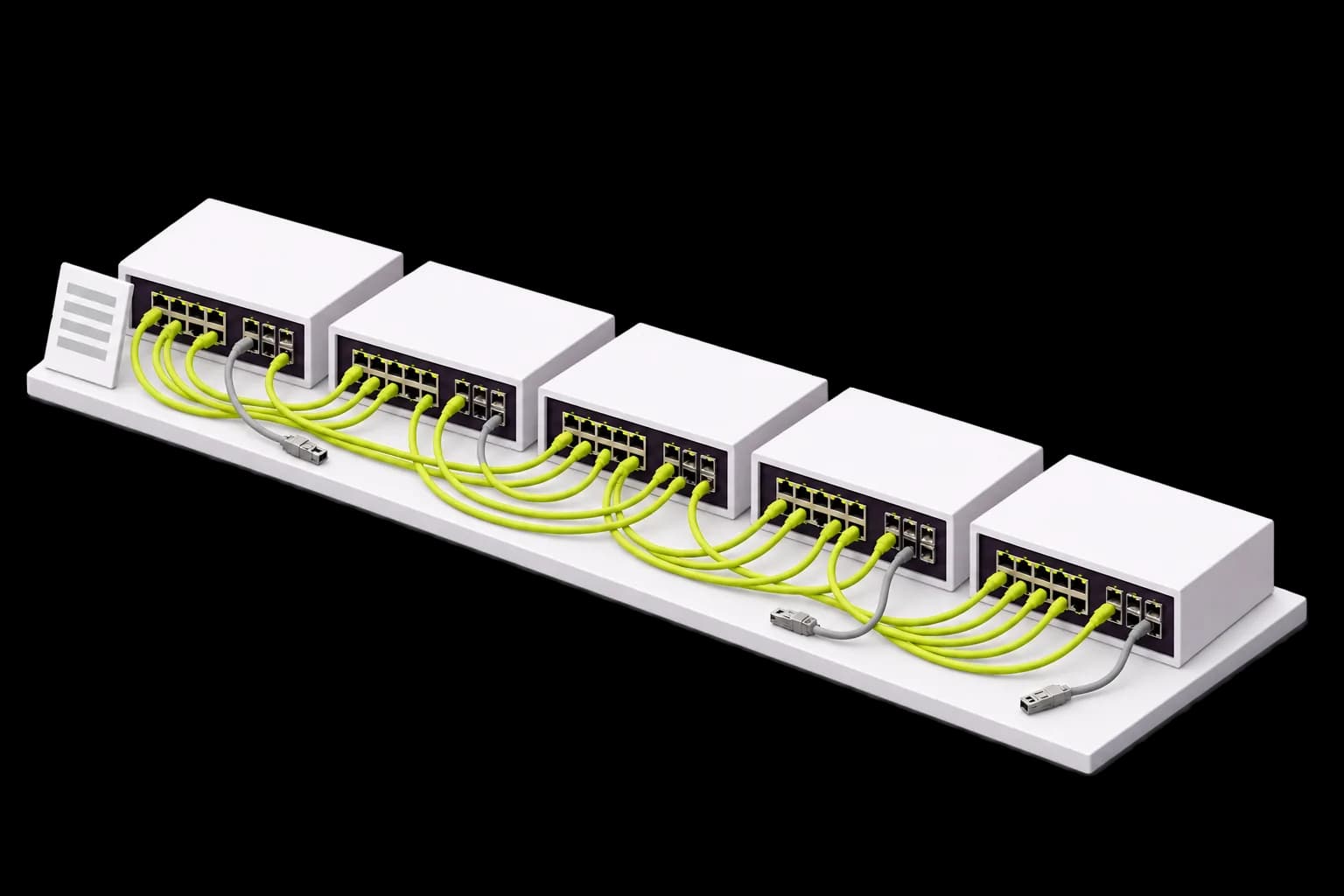
Clean-up of a large BGP estate, with weekly drift checks
Client: Transit carrier
A transit carrier’s BGP configuration had grown over years, session by session. Nobody could say what every session was supposed to carry.
Outcome: Stale sessions shut, prefix limits added to peering sessions, and the NOC gets a weekly report of any router that has drifted from its templates.
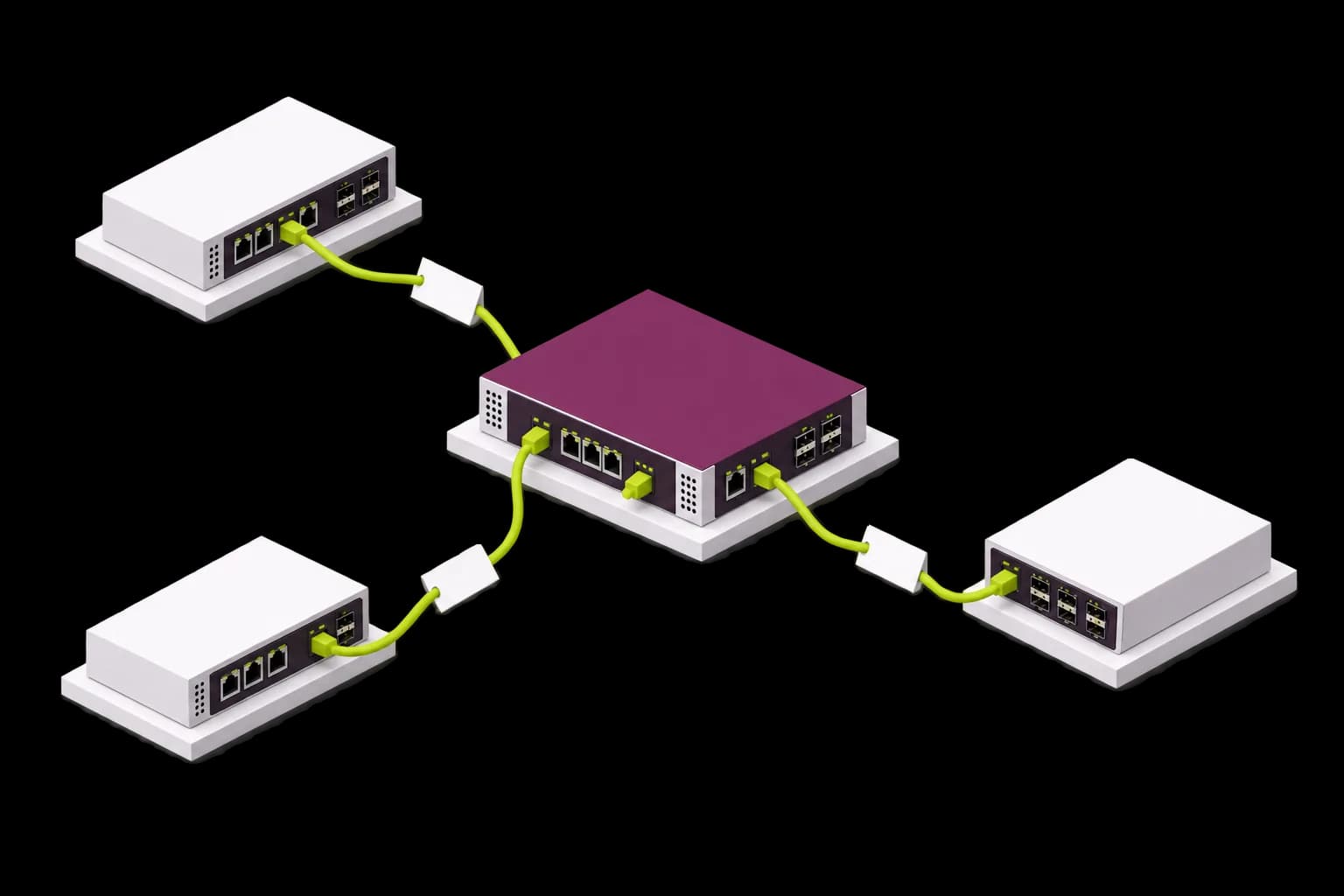
BGP communities customers can steer with
Client: Transit carrier
A transit carrier’s communities had grown one value at a time, and the public page customers relied on no longer matched what the routers did.
Outcome: Rolled out in full without a single BGP session restart, with partner networks in their own class and a public page that lists only what the routers do.
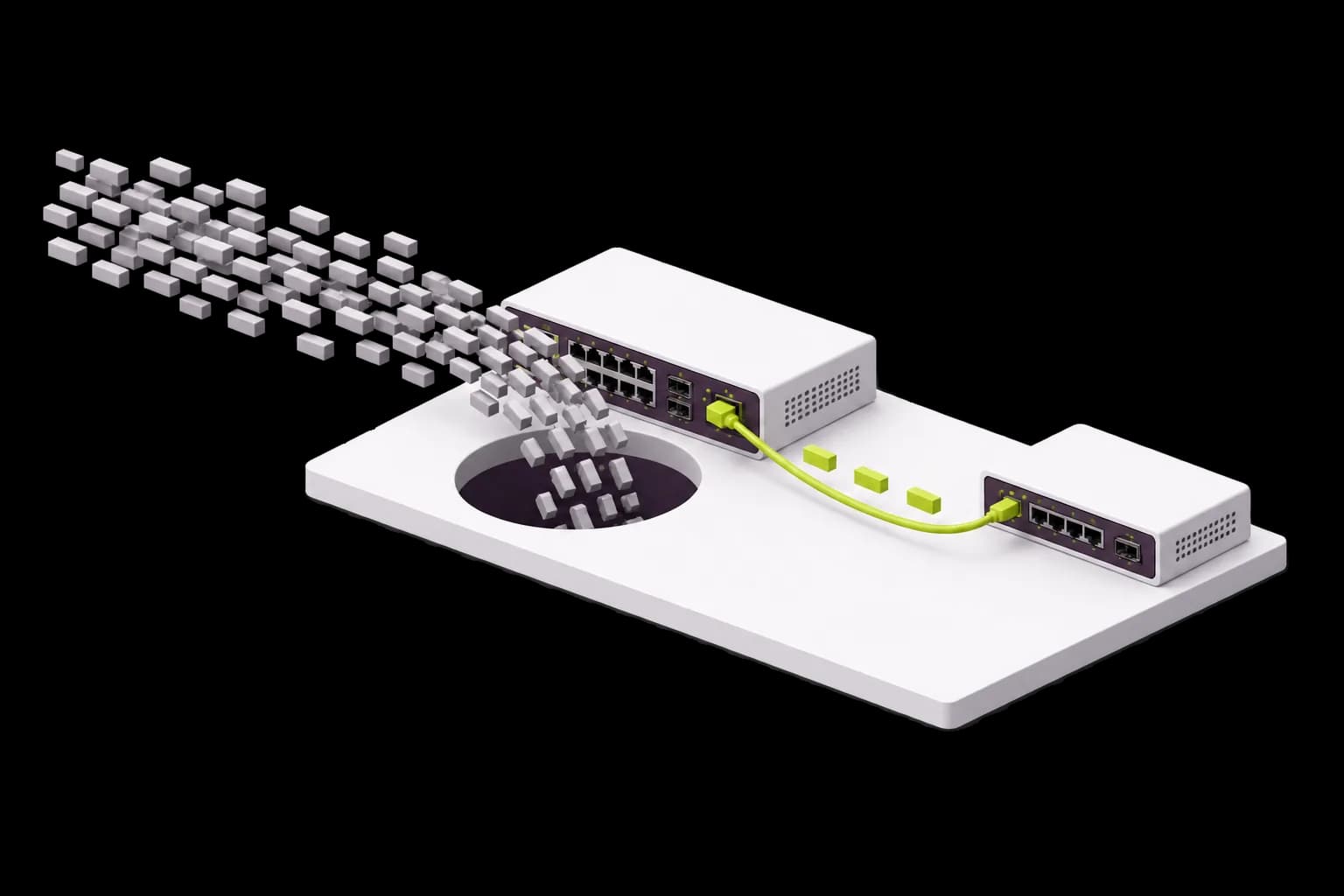
DDoS defence with blackholing and FlowSpec
Client: Transit carrier
Volumetric attacks were reaching customer ports through the upstreams before anyone could react.
Outcome: Customers can now trigger blackholing themselves. FlowSpec runs at the border, and the NOC follows a runbook during an attack.
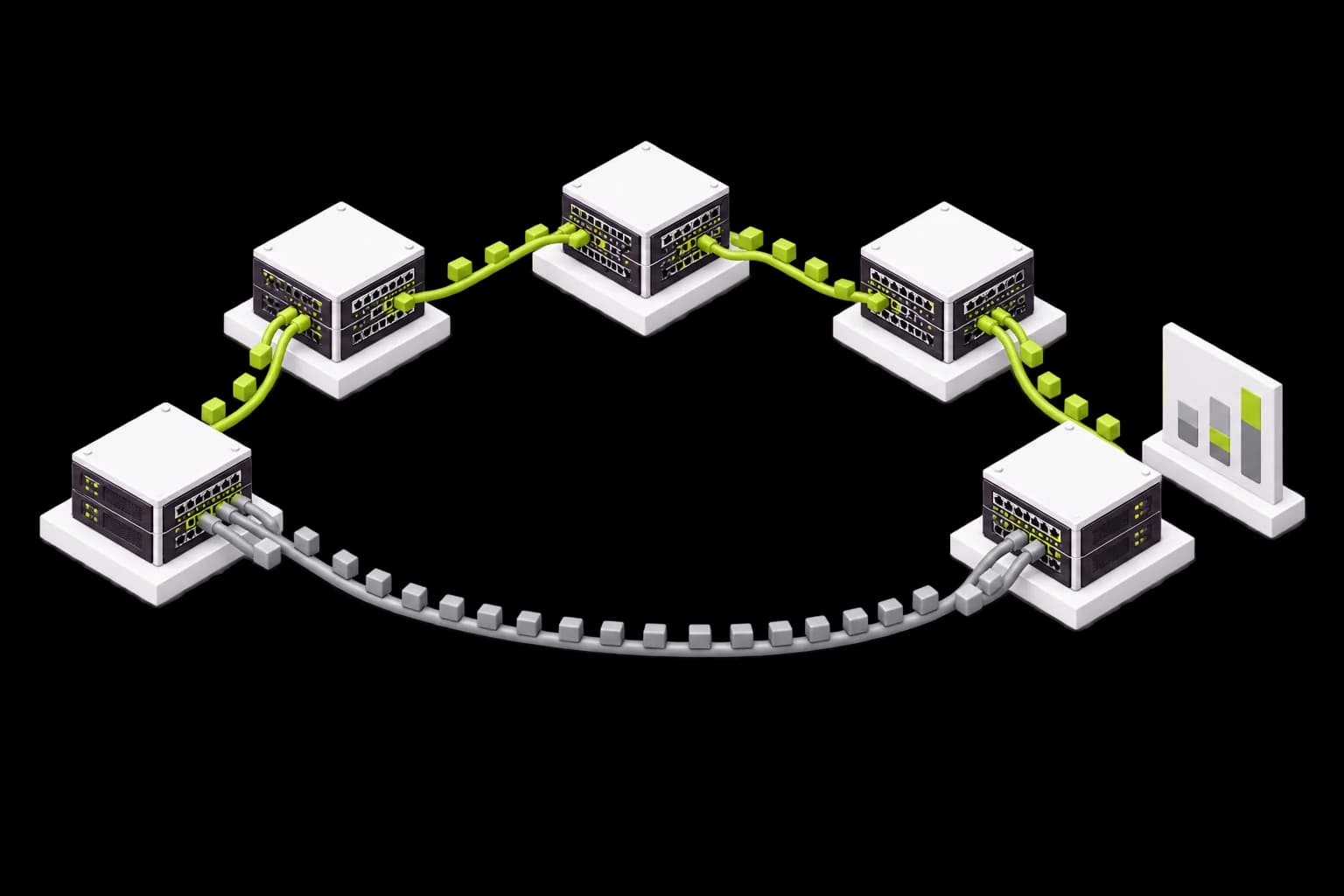
Failure simulation and a metric plan for a busy backbone
Client: Transit carrier
At busy hour one long-distance link ran close to full while parallel paths had room to spare.
Outcome: Metric changes ranked and checked against link and router failures, then applied to the network.
Implementation and tooling
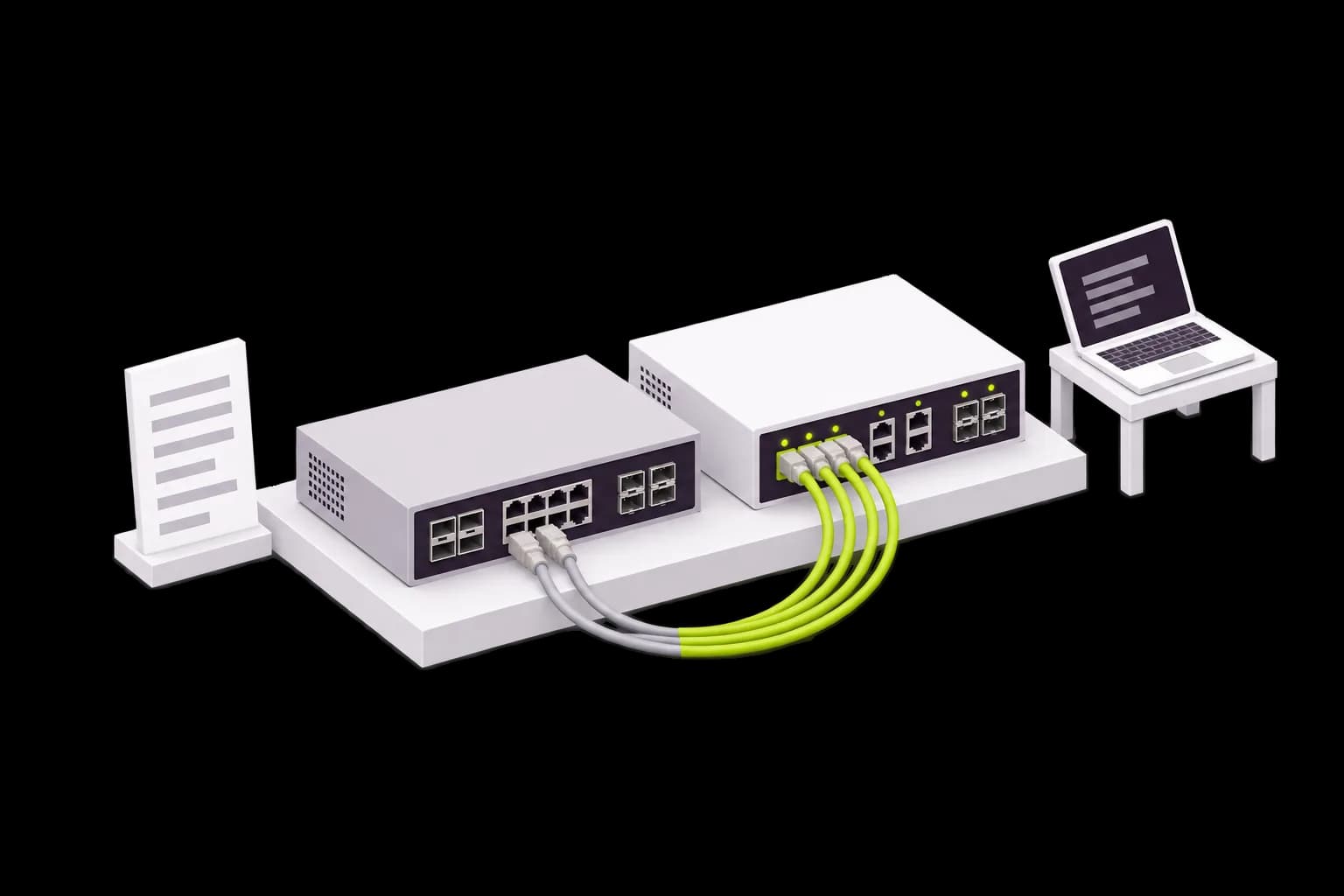
Transit change across two sites without renumbering
Client: Public-sector network
A public-sector network needed a new transit provider and new edge routers, without touching the address plans of the organisations behind it.
Outcome: Cut over at both sites, with every connected organisation still on its existing addresses.
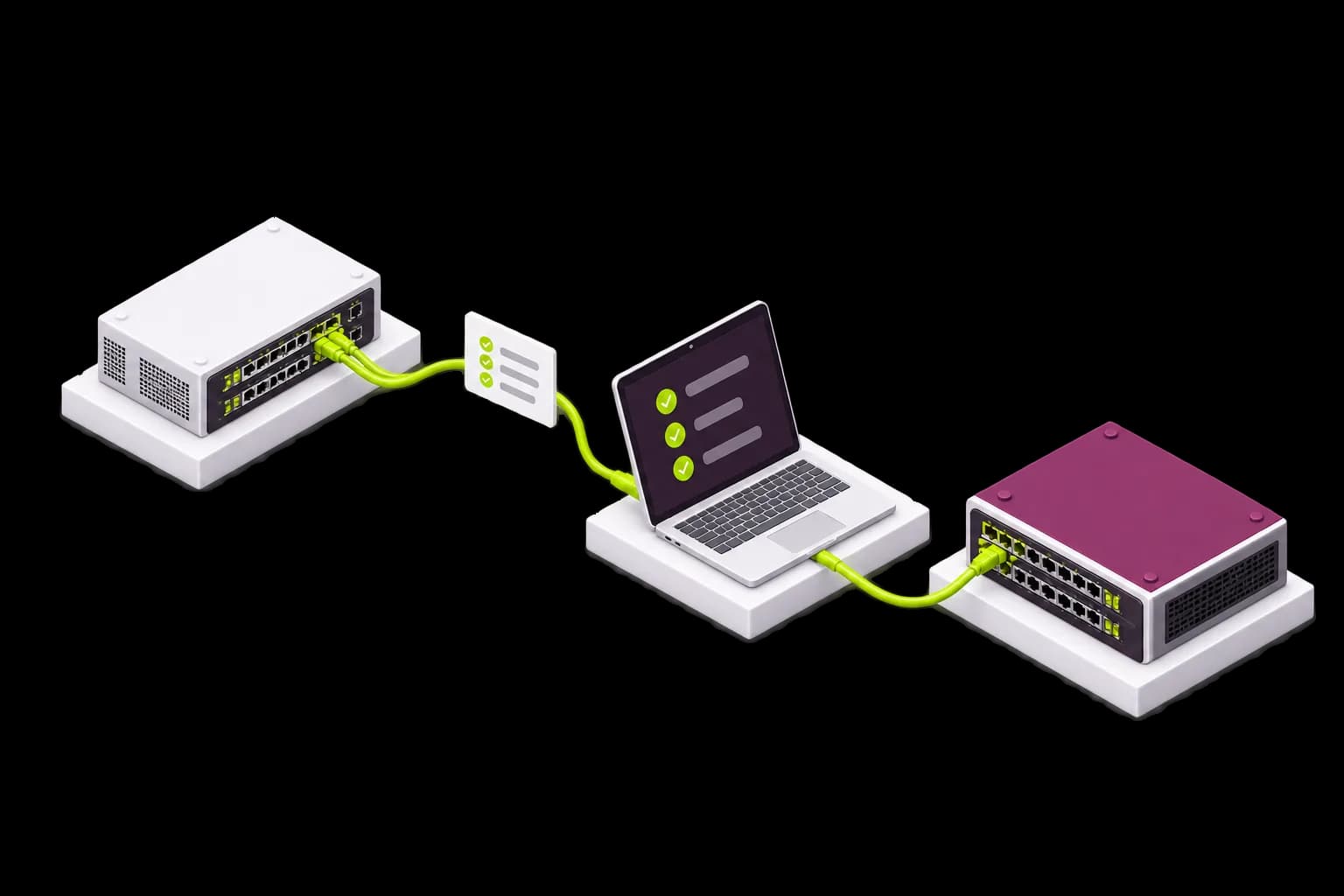
Peering requests that arrive ready to configure
Client: Transit carrier
Peering requests came in by email with half the details missing, and peers had no way to check routes without opening a ticket.
Outcome: Requests arrive with what the NOC needs to configure the session, and peers can check routes and paths without a ticket.
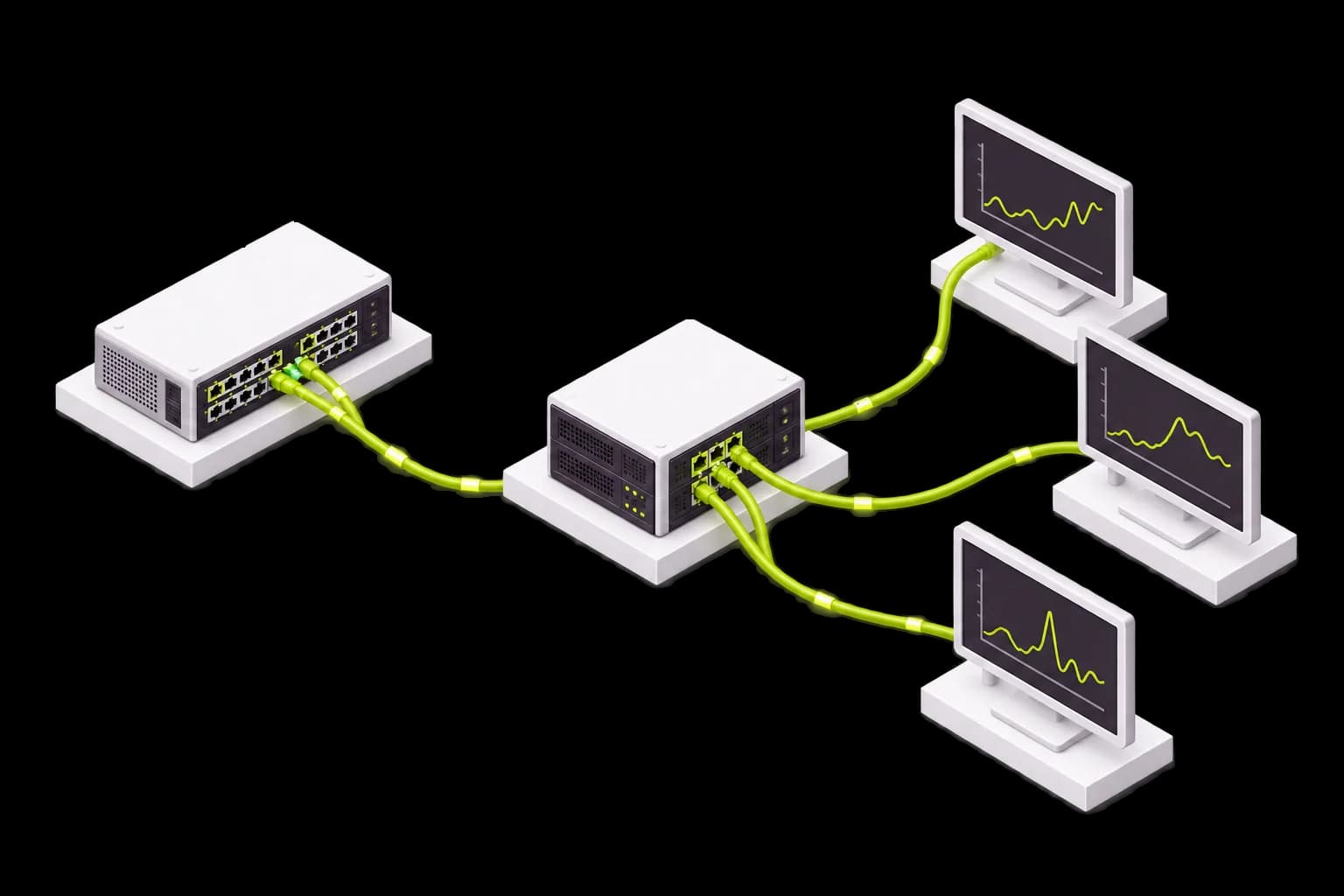
A traffic portal where customers see only their own circuits
Client: Carrier
Business customers wanted to see their own circuits. The only way to show them was the internal monitoring system, which shows everyone’s ports.
Outcome: In production for business customers, in two languages, and tested so that one customer can never see another’s ports.
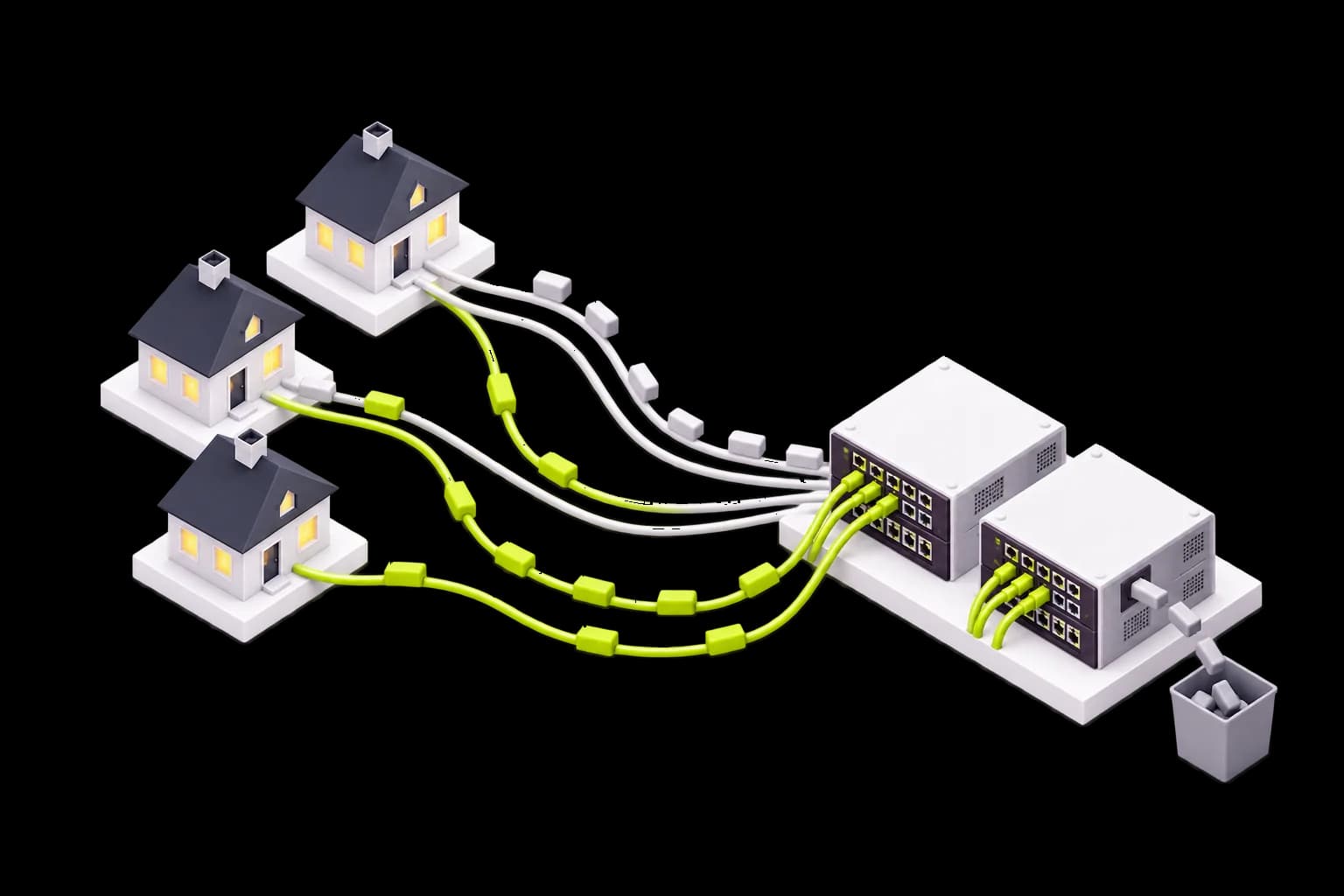
DNS filtering at about 63,000 queries a second
Client: ISP
An ISP needed to block malware domains and apply required blocklists on its resolvers, and see what was being queried, without slowing subscribers down.
Outcome: In production on two anycast resolvers at about 63,000 queries per second, with a 79% cache hit rate and blocking and query logging on both.
Software and AI
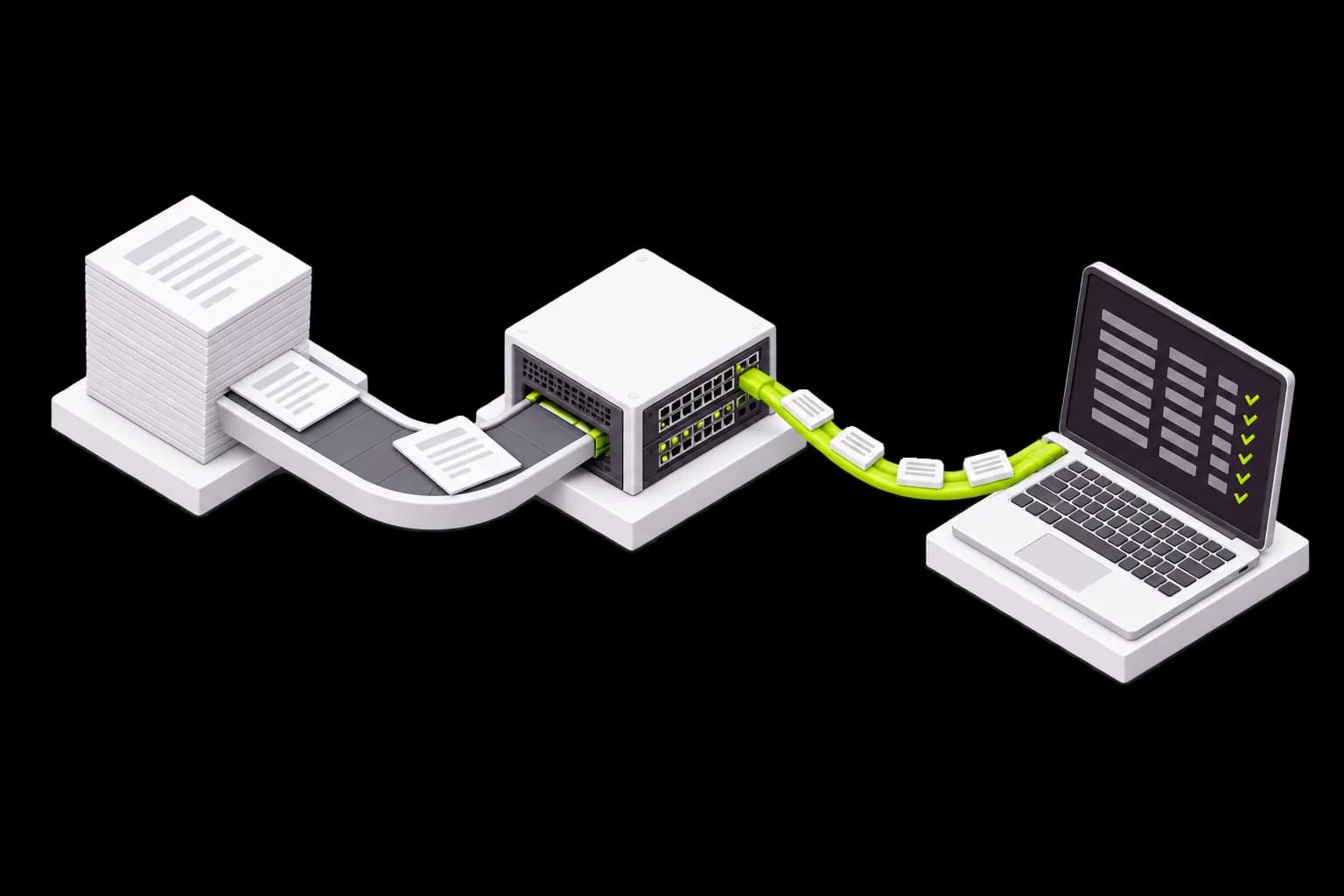
Supplier invoices read by AI and booked into the accounting system
Client: Finance team
Supplier invoices arrived by email in every format and were typed into the accounting system by hand.
Outcome: In daily use. Designed so every invoice reaches the accounting system exactly once, with the VAT figures ready when the quarter closes.
Send us your configs and two weeks of flow data.
We’ll tell you what we’d change first, what it saves, and how risky it is.