Nameward
Threat and content filtering on ISP resolvers
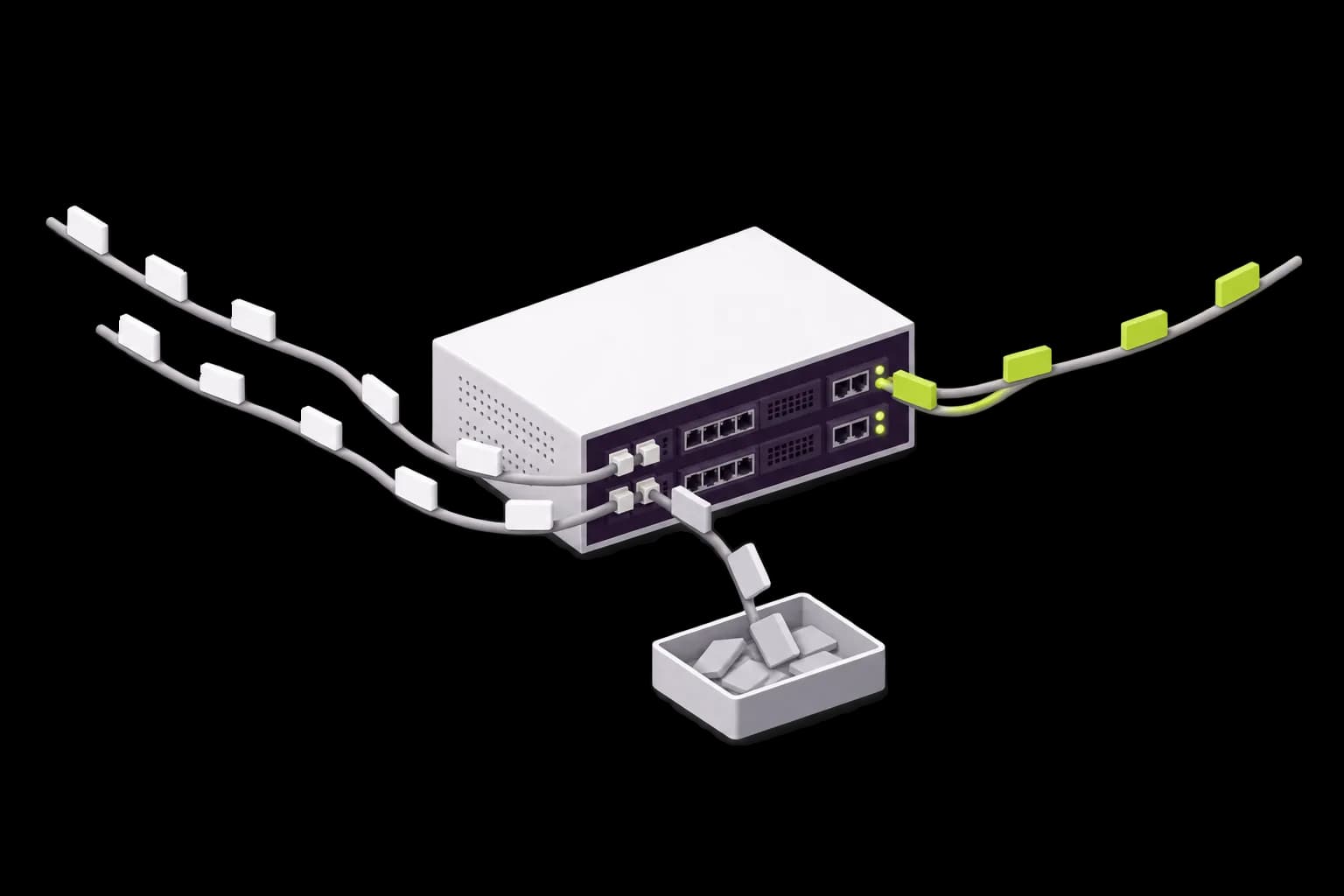
- Allowed queries
- Blocked queries
- Stopped by your policy
Who it’s for
ISPs and carriers that run their own resolvers and need filtering, compliance with required blocklists, and visibility into DNS traffic.
What it does
Filtering in the resolver
Threat and category lists held in memory-mapped databases next to each resolver process, so a lookup is a local read.
Lists that update in place
Feeds and required blocklists sync as incremental changes, without restarting resolvers.
Every query, searchable
Query logs stream from the resolvers’ dnstap feed into a searchable store for reports, investigations and anomaly detection.
One console
Policies, lists, resolvers and analytics in one place.
How it works
Query arrives
A subscriber’s resolver receives the query as usual.
Checked against lists
The policy module looks the name up in the local threat and category databases.
Answered or blocked
Allowed names resolve normally; blocked names get the response your policy defines.
Logged for analysis
The query and the decision are stored for reporting and detection.
See it on your own network.
We’ll walk you through it with data that looks like yours, and tell you honestly whether it fits.