Network implementation and integration
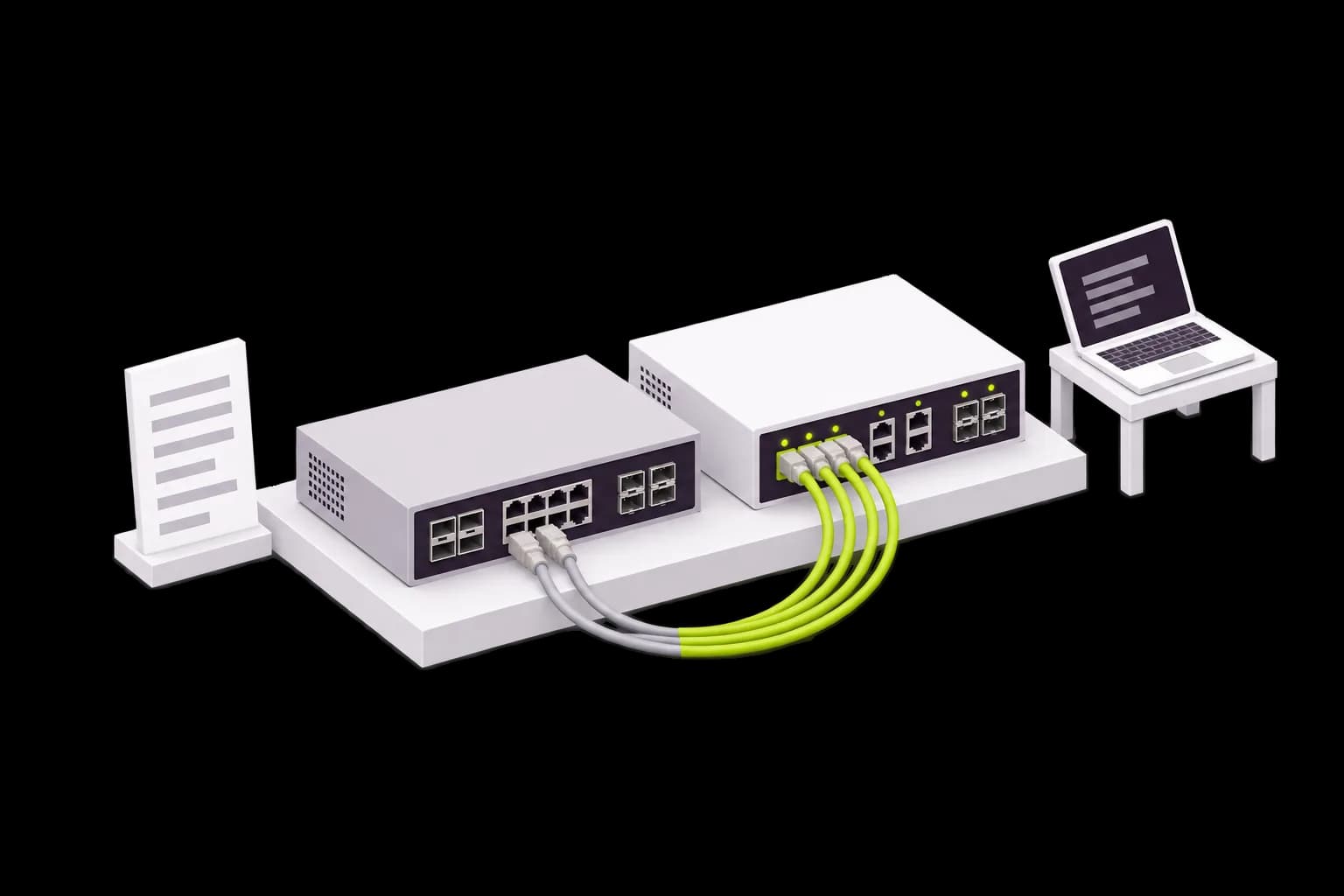
What usually prompts the call
- A migration that has to happen without renumbering or downtime
- Configuration that has drifted from what anyone intended
- Customers asking to see their own traffic
- Peering requests and IRR updates handled by hand
- Monitoring split across tools nobody connected
What we do
Migrations and cutovers
Design, lab tests, a cutover runbook with a check after every step, and the engineer who wrote it in the window with your team.
Configuration automation
Read-only inventory collection, templates for the policy that changes most, and scheduled checks that tell you when a router drifts.
Monitoring customers can see
Per-customer traffic portals on top of the monitoring and inventory systems you already run, latency maps between your PoPs, and public looking glasses.
DNS platforms
Resolvers with threat and content filtering, query analytics and required blocklists, built for ISP query volumes.
What you get
- Configurations, runbooks and handover documents
- Automation that runs on your systems
- Portals and tools your customers and NOC use every day
Technologies
- Juniper Junos
- Arista EOS
- IP Infusion OcNOS
- MikroTik RouterOS
- Cisco IOS and IOS XR
- Knot Resolver
Related case studies
Transit change across two sites without renumbering
Client: Public-sector network
Outcome: Cut over at both sites, with every connected organisation still on its existing addresses.
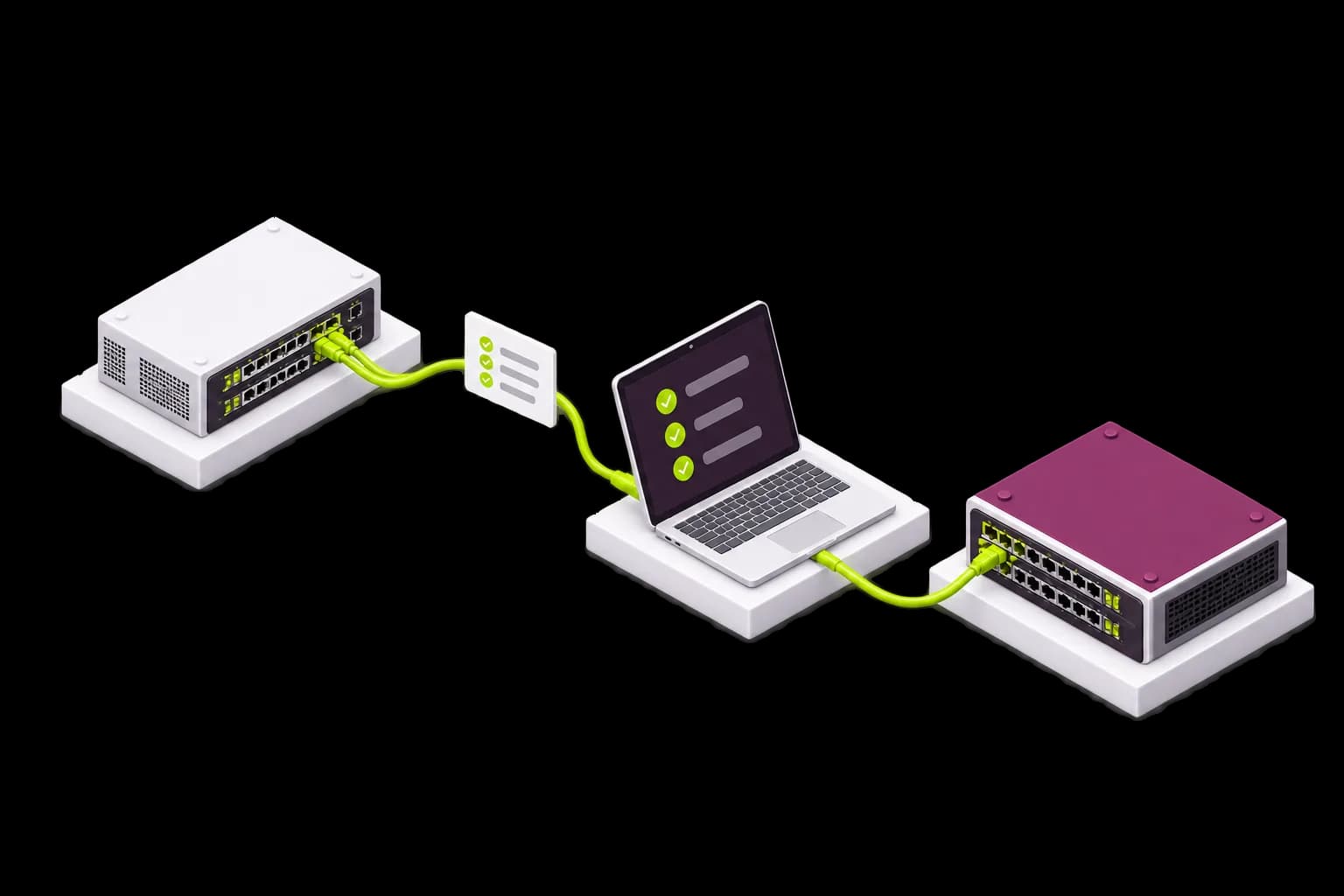
Peering requests that arrive ready to configure
Client: Transit carrier
Outcome: Requests arrive with what the NOC needs to configure the session, and peers can check routes and paths without a ticket.
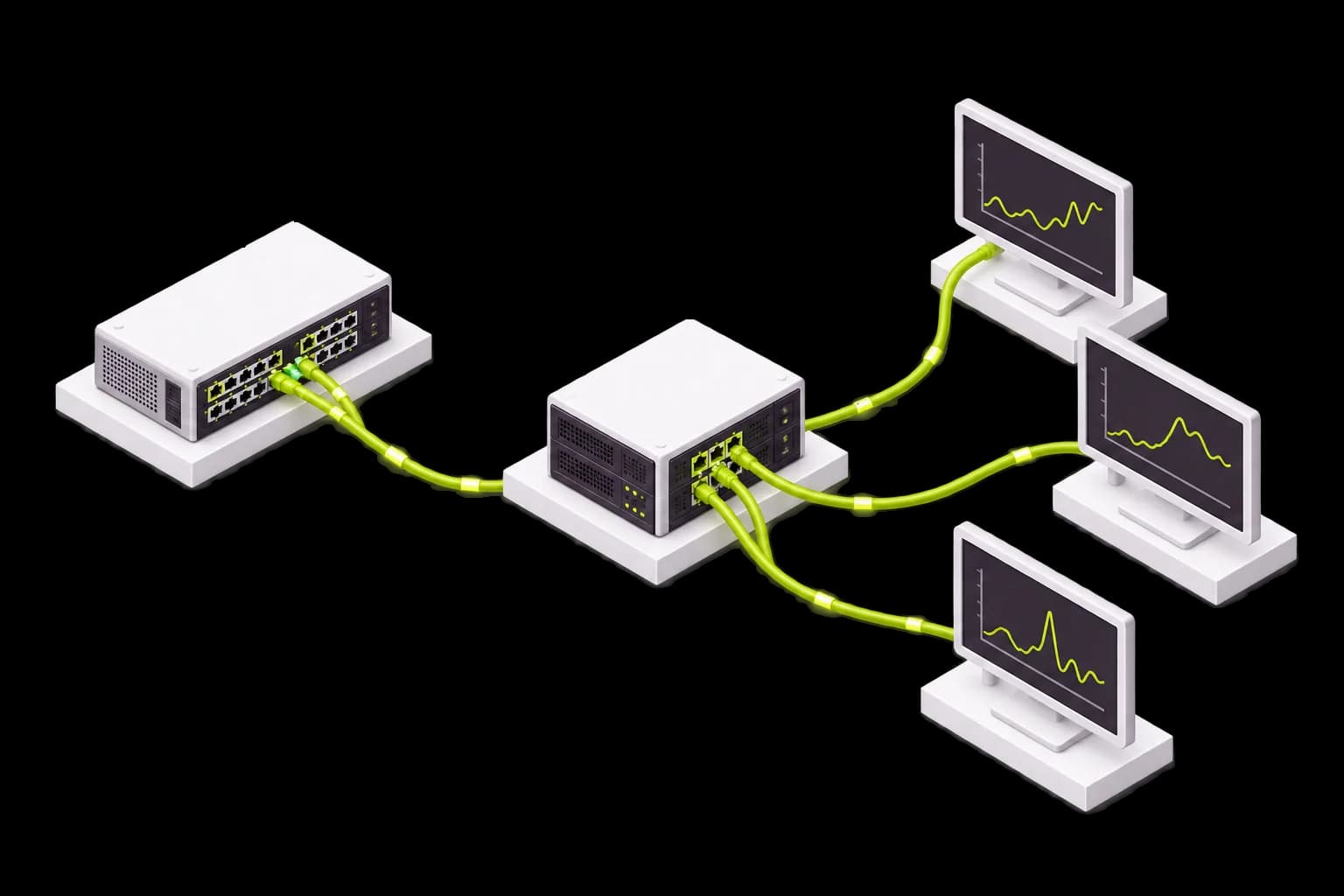
A traffic portal where customers see only their own circuits
Client: Carrier
Outcome: In production for business customers, in two languages, and tested so that one customer can never see another’s ports.
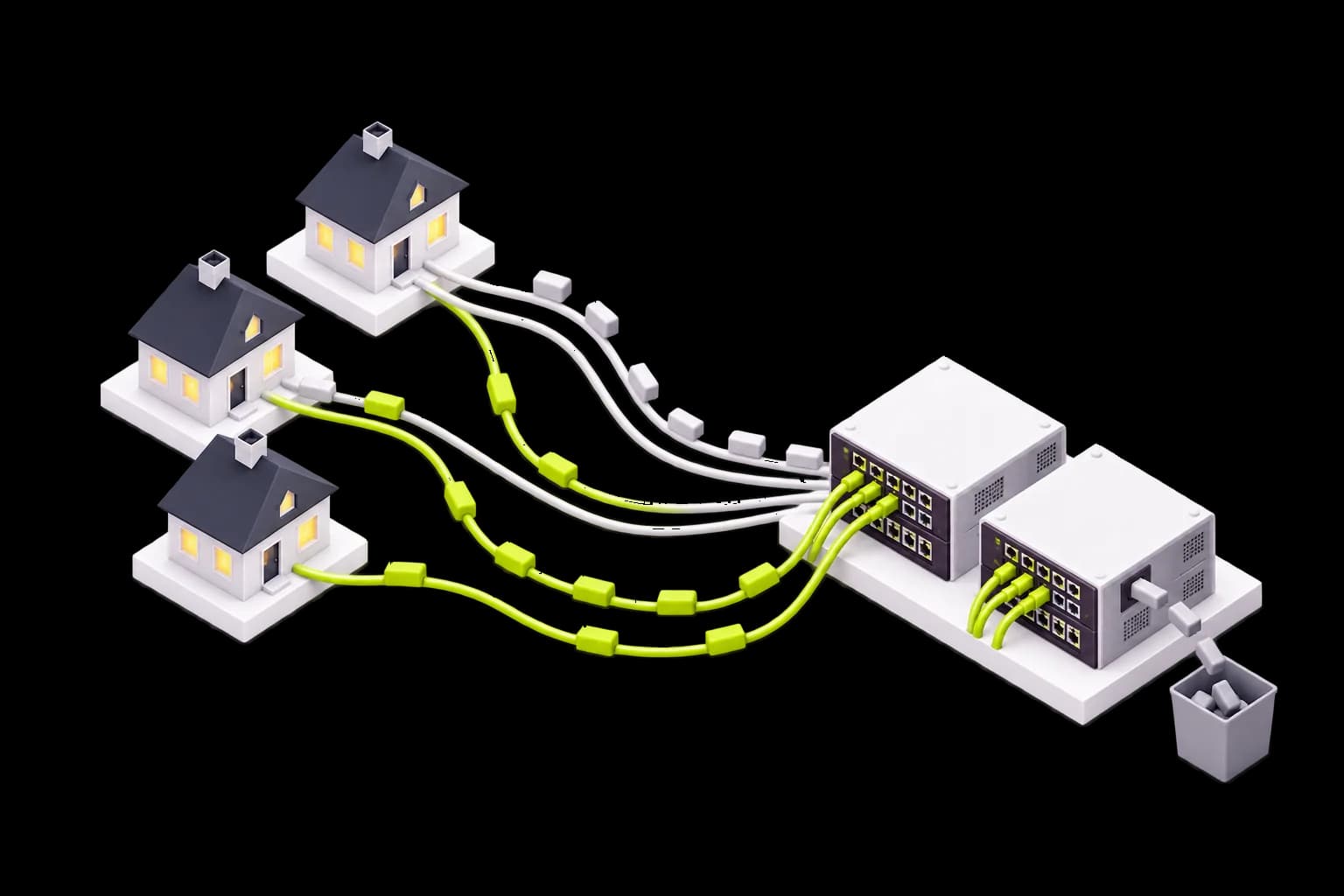
DNS filtering at about 63,000 queries a second
Client: ISP
Outcome: In production on two anycast resolvers at about 63,000 queries per second, with a 79% cache hit rate and blocking and query logging on both.
Questions
Do you work with our own engineers?
Always. Changes happen with your team, and the documentation is written so they can run everything afterwards.
Can you work on site?
Yes, when a change window needs it. Most of the preparation happens remotely.
Tell us what you’re working on.
Describe the problem in plain terms. The engineer who does the work replies within one business day.