Case
Peering that moved content traffic off a submarine link
Deze case is voorlopig alleen in het Engels beschikbaar.
Samenvatting
Het probleem
Submarine capacity was the biggest cost line, ahead of local transit. It backhauled traffic that could be peered nearer the source, piece by piece. The peering setup was years old and nobody owned the question of whether it still made sense.
Wat we deden
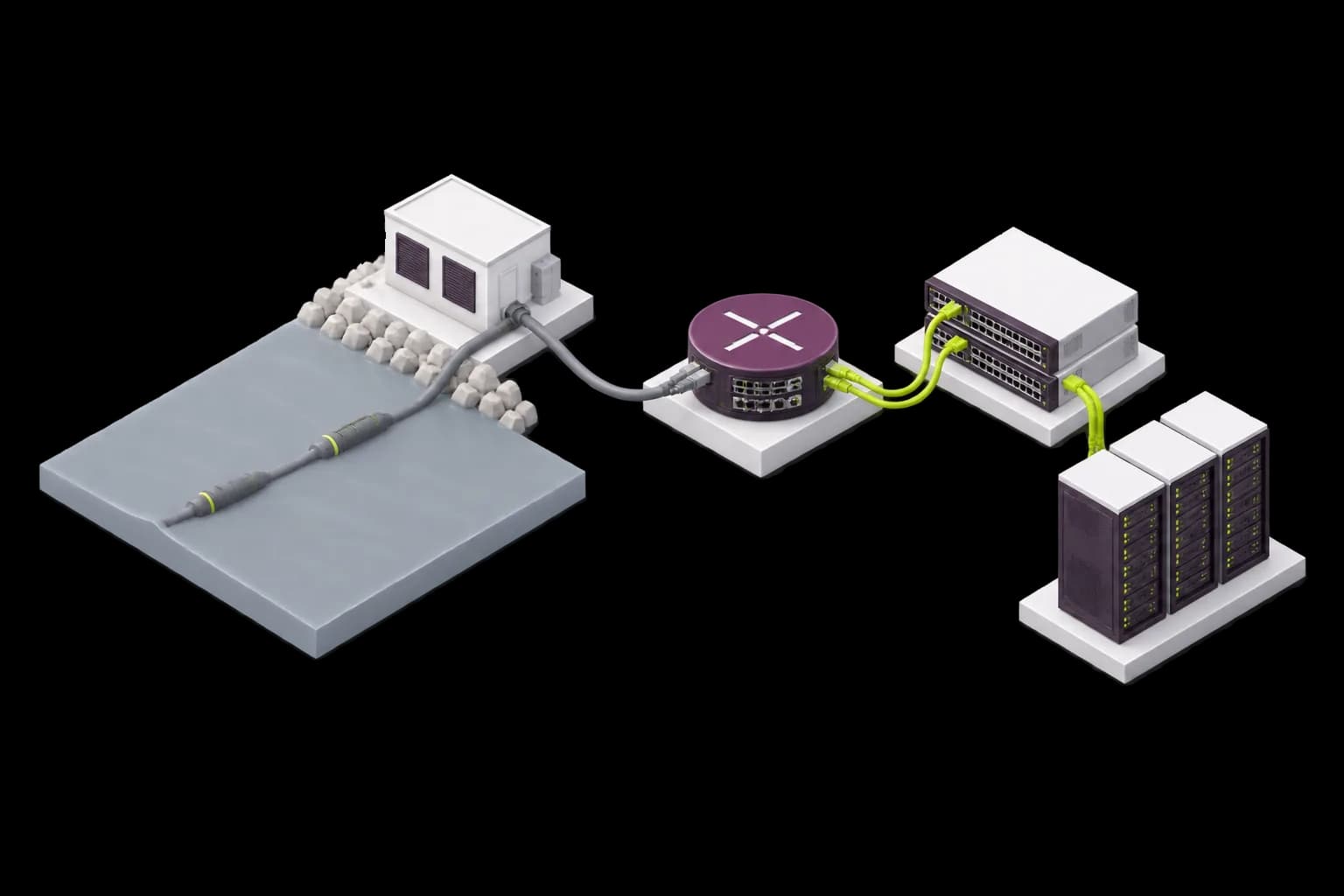
Took 14 days of sFlow and NetFlow from the edge, grouped by origin AS and ranked by bits delivered over paid transit. Matched that list against every IX where the carrier already had a port and against content providers’ PNI programmes. Then turned up direct sessions with the largest sources, used the existing IX ports harder, and retired paid paths that had outlived their purpose.
Resultaat
Roughly 60% off the total submarine-link bill, from moving the same traffic off the most expensive link in the topology.
Meer in detail
- Peering, geen kosten per Mbps
- Transit, per Mbps gefactureerd
How the gap was found
The first question in any peering review is simple: which traffic are you paying to deliver, and could it go another way? We aggregated two weeks of flow data by origin AS and ranked every destination network by the bits it pulled through paid transit.
That list was then compared with what the carrier could already reach without paying: the members of every IX where it had a port, the route servers at those IXs, and the private interconnect programmes the large content networks run. The networks in the first list that also appeared in the second were the opportunity.
What changed on the routers
Peering requests went out one at a time, sessions were turned up as they were accepted, and each new peer moved traffic off transit within days. Existing IX ports carried more, because the policy now preferred them. Paid paths that no longer earned their place were retired once their traffic had moved.
The playbook behind this, and four other patterns we use on peering work, is written up in BGP peering strategy: five patterns we implement for ISPs and carriers.